Replacing a cracked, sinking driveway
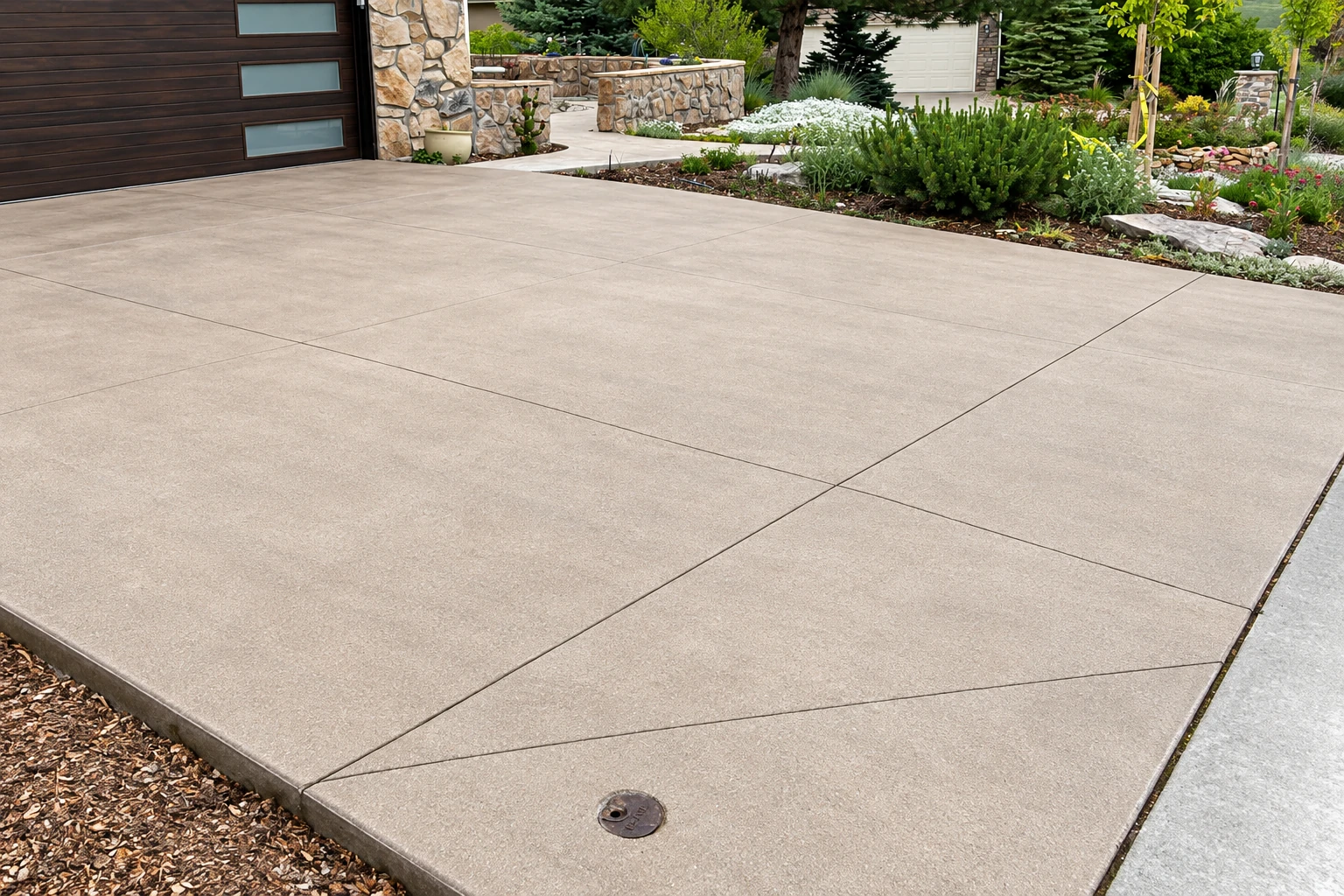
When a driveway has cracked through, sunk at one edge or holds water after rain, patching rarely lasts. We usually tear it out and rebuild it on a dug-out, packed base.
Discuss your projectCity of Atwater Concrete builds driveways, patios and sidewalks in Atwater and the cities around it, such as Winton and Merced. We also pour footings and slab foundations built for the ground shaking a quake can bring here.
Most calls we get start with one of two things, a driveway that's worn out or a yard that needs a flat, usable space.
When a driveway has cracked through, sunk at one edge or holds water after rain, patching rarely lasts. We usually tear it out and rebuild it on a dug-out, packed base.
Discuss your projectA bare yard or a small, chipped slab out back can become a level patio for a table and chairs. We set its slope so rain runs away from the house.
Discuss your projectI measure your job and talk it through with you myself, then I'm on site for the pours and the final walkthrough. The person who priced it is the one checking the work.
We plan each pour around the weather and the hour, since concrete placed in midday heat can set up with a weak, dusty top that chips later.
We dig out and pack the ground under the slab, because a base that's only raked level settles with the dirt and takes the slab with it. That's the part you can't fix later.
City of Atwater Concrete is a concrete contractor in City of Atwater, CA, offering 16 kinds of work, from driveways and patios to footings and foundation raising. The price mostly follows the size and thickness of the slab, how much old concrete has to come out, how much digging and packing the base needs and the finish you choose. A broom finish, the light brushed texture that gives shoes and tires grip, costs less than stamped work. The schedule turns on the weather, any permit and curing, the wait while new concrete gains strength before you walk or drive on it. Your free estimate is done on site and written up so you can see what's included before you decide.
A new driveway built on a dug-out, packed base with control joints cut in on time, so the cracks that do come follow lines we chose instead of wandering across the slab.
For a backyard that needs a flat place for a table and chairs. We slope the patio slightly away from the house so rainwater runs off instead of pooling against your walls.
Patterns pressed into fresh concrete and colored to look like stone, brick or slate, which suits a patio or entry where you want the look without setting individual pavers.
Front walks, side paths and the run from the driveway to the door, poured with a broom finish for grip and set so water drains off instead of sitting in low spots.
A new or replacement garage slab, thick enough for parked cars and set with a slight slope toward the door, so water from tires and the hose runs out instead of pooling.
Color, finishes washed back to show the stone in the mix and saw-cut patterns, for an entry walk or front porch where a plain gray slab would look unfinished.
Poured walls that hold back soil where a yard steps down, with rebar, steel bars set inside for strength, and drainage behind it so water pressure doesn't push it out.
Interior slabs for shops, sheds and additions, poured flat and finished smooth or left ready for flooring, with the base packed first so the floor holds level under weight.
The slab around your pool, sloped away from the water and toward drains, with a textured finish so wet feet grip. It can match colored work elsewhere in the yard.
Front and back steps formed so each rise is even, because an uneven step is the one people trip on, with rebar tied in so they stay joined to the slab.
The slab a garage, addition or small building sits on, with thickened edges and steel placed to the plans, so the structure starts on a level, solid base.
Footings and stem walls for new rooms, porches and outbuildings. We set the steel and forms to the drawings and check them before the pour, because a foundation can't be adjusted once it's poured.
Concrete lots for shops, offices and small businesses, thicker where delivery trucks turn and laid out with joints and slope so rain runs to drains instead of standing in the spaces.
The concrete pads and trenches under posts, decks, patio covers and walls, dug to firm soil, because a footing on loose fill sinks and pulls whatever sits on it out of line.
For a foundation that has settled, leaving cracked walls, sticking doors or a sloping floor. We find what caused the settling first, so raising it deals with the cause too.
Saw-cutting through slabs and walls to open a doorway, take out a damaged section or run a new utility line, with water on the blade to keep the dust down.
I spent my first working years at a desk before I took a job on a concrete crew and found I'd rather build things people can stand on. I learned the trade from the finishers I worked under and started this business in Atwater in 2013.
We're best known for careful flatwork, the driveways, patios and walks that sit level and shed water, and most of our calls come from homeowners, with some from small businesses and builders. I explain the reason behind each step before we start, and you can read more about our crew.
Atwater asks every contractor to show a valid state contractor's license before it issues the city business license needed to work here. We're licensed and insured.
If your job needs a permit, we'll tell you which office handles it and agree up front whose name it's in. When it's ours, we file it and book the inspections.
We're based in Atwater and work in many of the cities around it, including Livingston, Turlock and Chowchilla. If you don't see your city listed, please call and ask.
Send the form and we'll reply within one business day to set a time. I'll come out myself to measure the job and talk it through, then write up an estimate showing what's included, with no obligation.
A rough size, what's there now and what bothers you about it, such as cracks, sinking or pooling water, help me come out ready with the right questions.
We answer calls and messages Monday through Sunday, 7 AM to 11 PM, so you can reach us after work or on a weekend.
If you're not sure yet whether you need a new slab or a repair, please ask anyway. I'd rather talk it through and recommend what fits than push a bigger job.
Broom, stamped and colored finishes, plus a few driveway and patio layouts, to help you picture what you'd like before we talk.
These are the questions I hear most on estimates, about price, cracking, curing time, permits and licensing for concrete work here.
It depends on your driveway, so I give a figure only after I've measured it on site, and that estimate is free. Beyond the size and finish, the price moves with whether the old slab has to be broken out and hauled away, how much soft ground needs digging out and how close the concrete truck can get.
Concrete can still crack, but most of the cracking on old slabs comes from a base that settled, joints cut late or skipped, or a rushed pour. We pack the base, cut control joints, the grooves that give the slab a planned place to crack, while the concrete is fresh, and plan the pour around the weather.
You can usually walk on new concrete well before you can drive on it, and I'll give you the dates for your pour, since they depend on the mix and the weather. Keeping cars off until then lets the slab gain strength, so its edges don't break under the weight while it's still young.
I'd recommend putting the money into the base. It's hidden the day we pour, so it's usually the first thing cut from a budget, but a slab on soil that was only raked level settles with the dirt, and no finish fixes that. A plain broom finish on a well-packed base usually holds up better than a fancy one on a weak base.
The City of Atwater Building Division issues building permits, and applications, plan reviews and payments go through Cloudpermit, the city's online permit system. Work in the city's right of way, the public strip along the street, goes through the city's Engineering office, which issues encroachment permits.
The Contractors State License Board requires a state license for building or altering a structure when the job needs a building permit, uses employees, or when labor and materials on one or more contracts come to $1,000 or more. A bigger project can't be broken into smaller contracts to get under that amount, so it's worth asking any contractor you're considering for their state license.
Call (209) 280-3262 or use the contact page, and I'll measure your job on site so you can see what's included before you decide.