Concrete driveway building
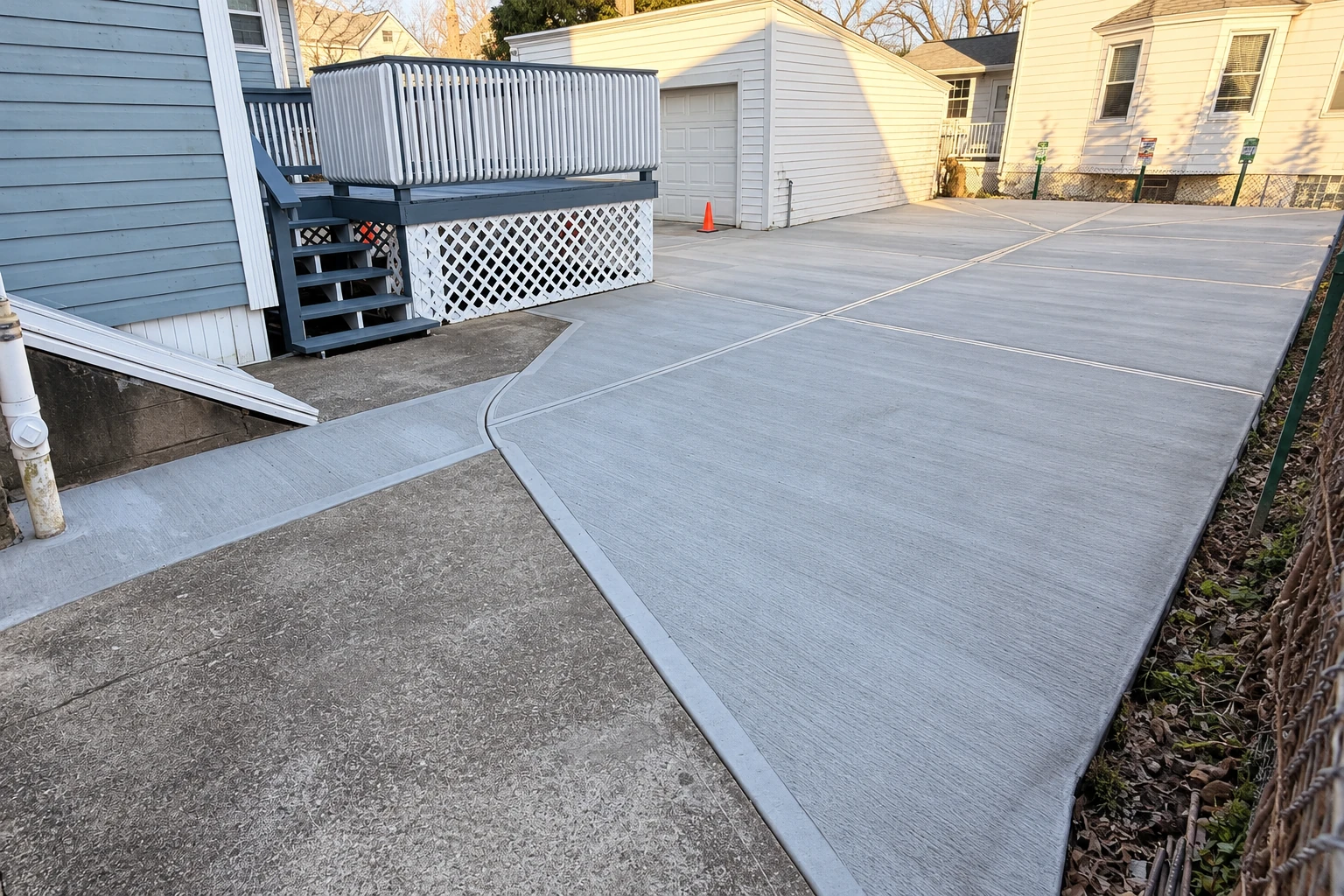
Driveways built for daily commuting, poured over a dug-out, packed base, with grooves cut across it so any cracking follows lines we chose rather than wandering.
City of Atwater Concrete pours driveways, patios, walks and garage floors for homeowners and small businesses in Keyes, CA, and our crew also builds steps, footings, retaining walls and foundations here.
Keyes is mostly a bedroom community on Highway 99, with Ceres just north and Turlock just south, so the work here is mostly the everyday concrete around a family's house, like a wider driveway, a back patio or a walk that's started to sink. We're a concrete contractor based in City of Atwater, and we do the same work in Keyes that we do at home. Keyes isn't incorporated, so if your job needs a permit, it comes from Stanislaus County rather than a city office.
The price mostly moves with the size and thickness of the slab, whether old concrete has to be broken out and hauled off, how much digging and packing the ground needs, and the finish, since a plain broom finish swept in for grip costs less than stamped or colored work. The schedule turns on the tear-out, the weather, any permit and curing, the wait while concrete gains strength before you can walk or drive on it. The on-site estimate is where you'll see the number for your own job.
Modesto's weather station logged 10 days at 90 degrees or more in September 2026, topping out at 105. Concrete poured in afternoon heat can dry with a weak, dusty top, so I'd recommend pouring early.
The subgrade, the dirt under a slab, is buried by day's end, so it's tempting to cut. I'd rather dig it out, pack it right and save money on the finish instead.
Before we set forms, we check where rain and sprinkler water runs on your lot, because a slab that falls toward the house sends water to your foundation and pools by the door.
Driveways built for daily commuting, poured over a dug-out, packed base, with grooves cut across it so any cracking follows lines we chose rather than wandering.
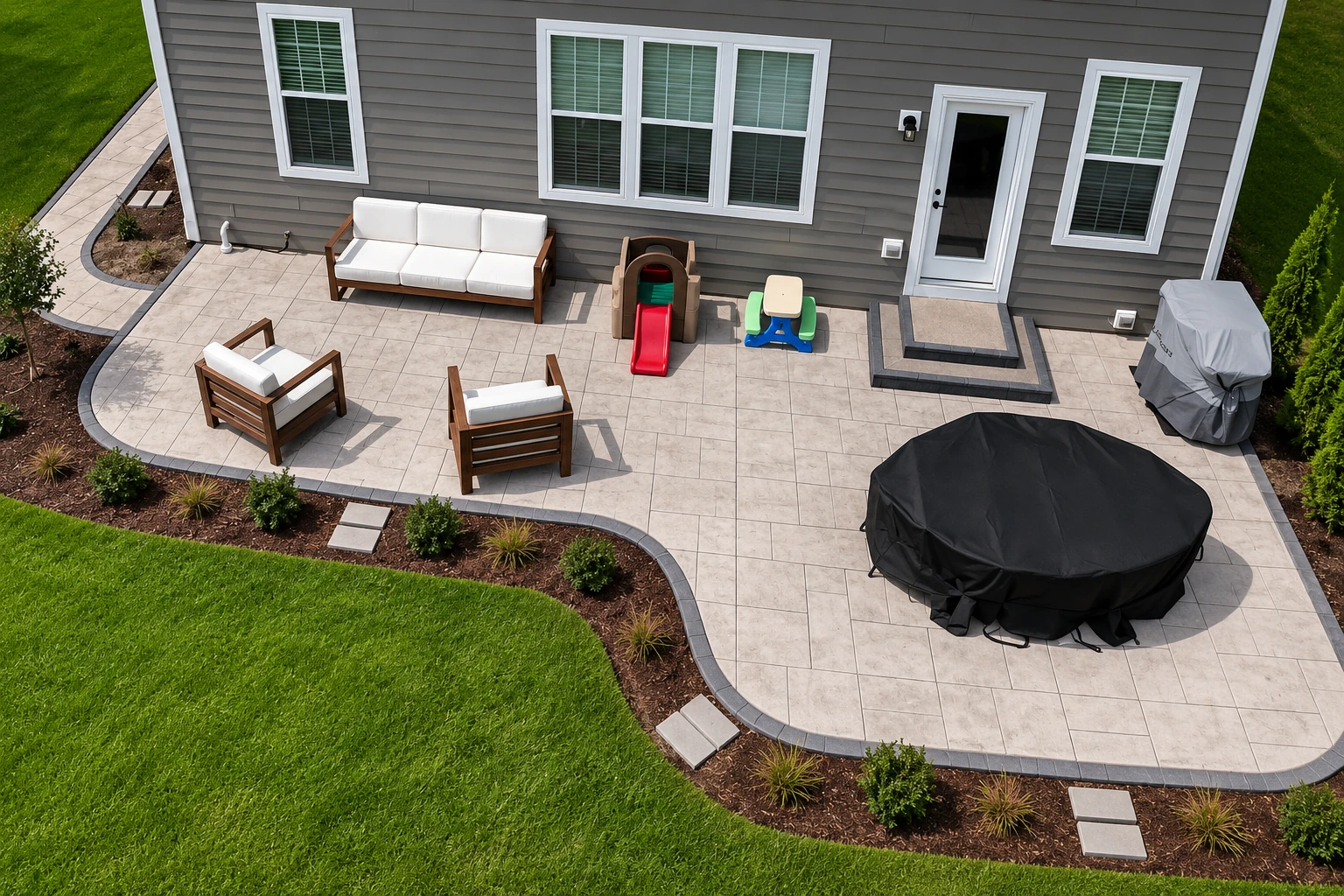
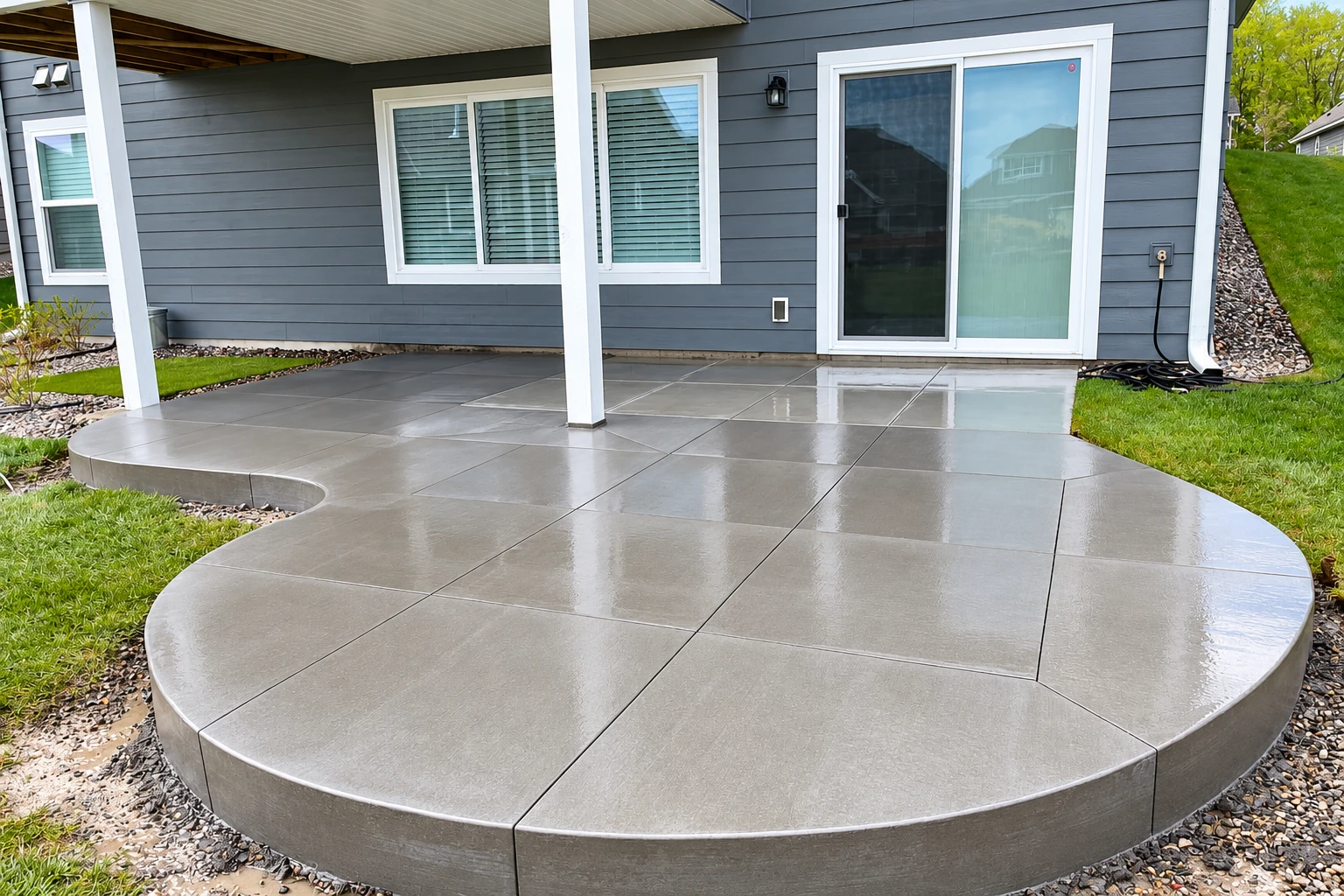
Back patios sized for how you use the yard, sloped gently away from the house and finished with a light broom texture so it isn't slick when the sprinklers hit it.
A pattern and color pressed in while the concrete is still soft, so a patio or walk reads like stone or brick, with the same base and joint work underneath.
Front walks and side paths that have heaved or sunk get broken out and replaced level, so nobody catches a toe at the seam and water drains off instead of pooling.
Cracked or chipping garage floors replaced with a slab thick enough for a parked car, finished smooth enough to sweep and pitched slightly toward the door so hose water runs out.
Color, exposed stone or a scored pattern for the spots people see first, like an entry or a front walk, chosen on site once I've seen how your house and yard sit.
Concrete walls that hold back soil where a yard steps down or a driveway cuts into a grade, built on footings with drainage behind so water doesn't push the wall over.
Interior slabs for shops, sheds and add-on rooms, laid over packed fill and a moisture barrier, then finished to the smoothness the room calls for.
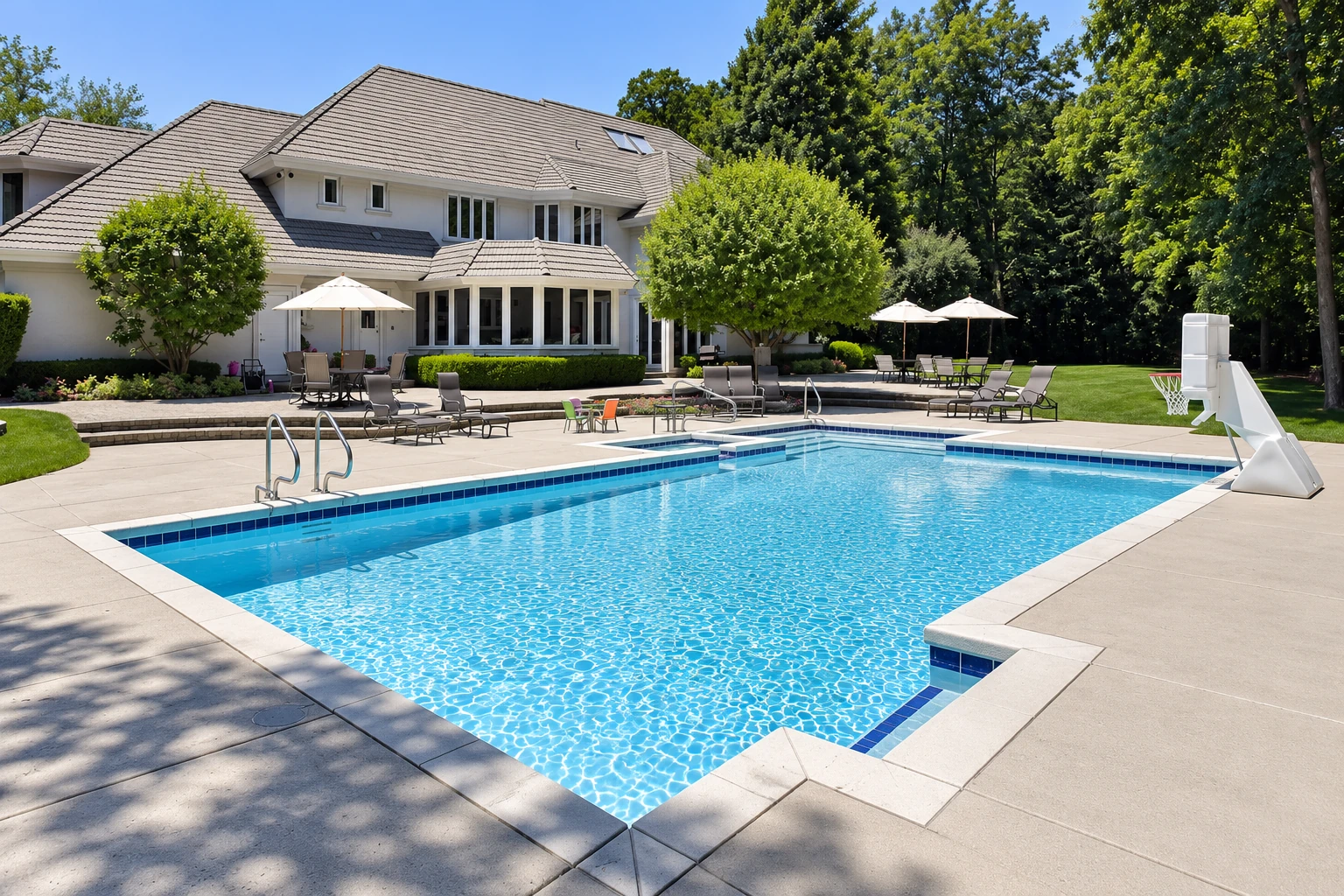
Decks around backyard pools with a textured surface for wet feet, sloped so splash water runs to drains or the yard instead of back into the pool.
Front and back steps rebuilt with even risers so every step is the same height, with steel rebar tied in so they stay locked to the porch slab.
For additions, garages and outbuildings, we set thickened edges and rebar to the plans and dig and compact the ground before any concrete arrives.
Perimeter foundations for new rooms and small buildings, formed to the drawings and poured once the trenches and steel are checked, so the walls above start square.
Parking areas for small businesses and shared drives, usually poured thicker than a home driveway and graded so rain runs to the edges rather than sitting in the spaces.
For patio covers, fences and decks, we dig to the depth the plans call for and size for the load, because a post is only as steady as what's under it.
When a slab or footing has dropped, we look for the reason first, usually water or a soft base, then lift or rebuild the low section and fix the cause along with it.
Clean saw cuts through old slabs for new doorways, plumbing trenches or a wider driveway, so we remove only what's needed and leave a straight edge to pour against.
Send the form and we'll reply within one business day to arrange a visit. The estimate is free, done on site and written up so you can see what's included, with no obligation.
I come out myself to look at the slab, measure it and hear what you want, so the person writing your estimate is the one who stood on the ground.
Our crew does the work, and I'm on site for the pours and the final walkthrough, because the pour is when timing and finishing decide how the slab turns out.
We've worked out of Atwater since 2013, and we're best known for careful flatwork, the driveways, patios and walks that sit level and shed water.
Questions that come up before a driveway or patio job in Keyes, from county flood permits to licensing and whether the new slab will crack.
Yes. Construction or development in a flood hazard area needs a permit from the Stanislaus County Building Permits Division before work starts, usually taken out with the building permit. If you're not sure your lot is in one, the county can check it for you. We'll settle up front whose name the permit's in, and when it's ours, we file it and book the inspections.
A licensed contractor is required whenever the job needs a building permit, uses hired help, or comes to $1,000 or more in labor and materials, according to the state licensing board. The small-job exception, raised from $500 to $1,000, covers only permit-free work by an unlicensed person with no employees, and a larger job can't be split to fit under it. We're licensed and insured.
It shouldn't crack the same way, because old slabs usually crack and sink from a base that was only raked level or from joints that were skipped. Concrete shrinks as it dries, so we pack the base hard and cut control joints, shallow grooves that give that shrinking a straight line to follow, before the slab can crack on its own.
These are the cities with their own page on our site, and we work in many others around Atwater. If yours isn't listed, please call (209) 280-3262 and ask.
We're open seven days a week from 7 AM to 11 PM, so call (209) 280-3262 or send the form whenever it fits around your commute.