Customer parking for small businesses
A shop or office lot takes cars turning all day in the same few spots, so we plan the drive lanes and stalls around how your customers actually come and go.
If your lot is cracked, sinking or holding water where trucks turn, we'll build a concrete lot with a packed base and planned joints.
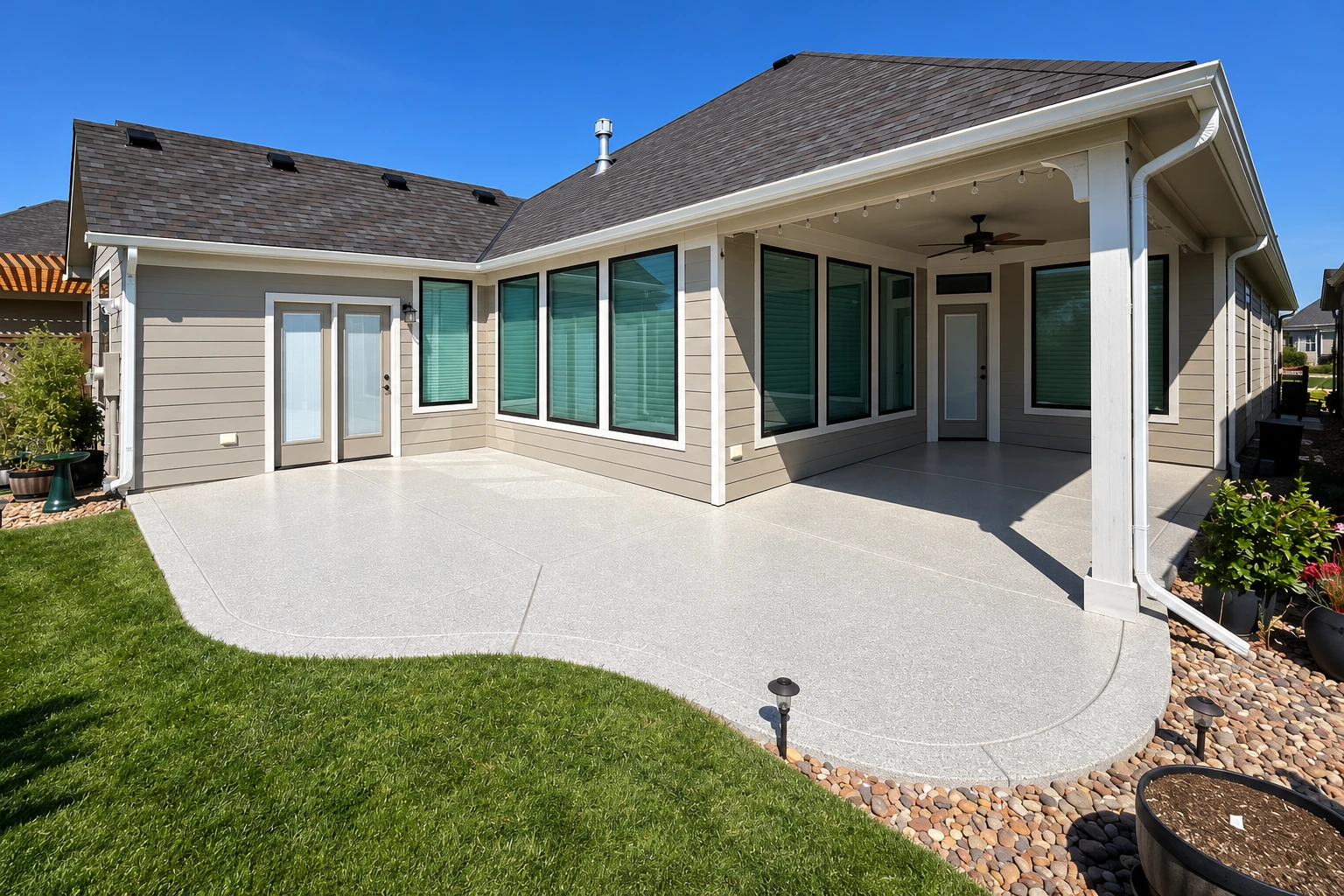
Concrete parking lot building in City of Atwater, CA means preparing the ground, then forming, pouring and finishing a concrete pavement stiff enough to spread the weight of cars and trucks across the soil beneath it, so the lot stays flat and drains.
The price moves with the size of the lot, how much digging and base work your ground needs, whether old pavement has to come out first, and how much of the lot carries trucks rather than cars. The schedule turns on pour-day weather, any permit review and curing, which is the wait while fresh concrete gains strength before it takes traffic. I measure the site when I come out and write up an estimate, so you can see what's included before you decide.
Atwater's summers are hot and dry, and heat, low humidity and wind all change how concrete gets mixed, moved and placed, so we plan the pour around the weather instead of fighting the midday sun. If your lot needs a permit, we'll tell you which office handles it and settle with you up front whose name it goes in, and when it's in ours, we do the filing and book the inspections.
I come out myself to look at the site, measure it and talk it through with you. Our crew does the work, and I'm on site for the pours and the final walkthrough.
I'll explain why each step is there, from the digging to the joint layout, and answer your questions plainly, because you should know what you're paying for before we begin.
We've been pouring concrete since 2013, mostly flatwork, the slabs, drives and walks that have to sit level and shed water, which is what a parking lot asks for. Your satisfaction, guaranteed.
Planning comes first. I'll ask where trucks turn, where the dumpster sits and which drives take the heaviest loads, because those spots need extra thought, and we'll walk the site to see where water runs so the finished lot drains away from the building instead of pooling against it.
Then we dig out to firm ground and pack the subgrade, the soil the pavement sits on, along with the base above it, rather than raking it level, because a raked base settles with the dirt and takes the slab down with it. That's the trade-off I'll point out on most bids. The base is buried the day we pour and it's the first thing people want to cut, but I'd recommend keeping the money there and choosing a plain broom finish, the light texture that gives tires and shoes grip, since you can't fix the ground once it's paved over.
We lay out the joints with you so the lines in the finished lot make sense, and we cut them on time, before the slab picks its own crack lines. If you need light poles, a sign or a low wall at the edge of the lot, those sit on concrete footings, and if the building beside the lot has settled, we'd talk about foundation raising before we set grades against it.
A shop or office lot takes cars turning all day in the same few spots, so we plan the drive lanes and stalls around how your customers actually come and go.
When an old lot is broken up, sinking or holding water, we take it out and start over at the ground, because paving over a failed base hands the problem to the new slab.
Builders call us for lots on new jobs, and we work to their plans, setting the pavement so it meets the building and carries water off the way the plans show.
Some homeowners want a larger paved area for guests, a work truck or an RV, and we build it like a small lot, with the base and joints planned for the heaviest vehicle.
We'll reply within one business day to set a visit. I'll come out, measure the site and write up a free estimate that shows what's included, with no obligation to go ahead.
A rough size, even paced off, helps me plan the visit and bring the right questions, and I'll take exact measurements when I come out.
Tell me which drives the delivery and garbage trucks use and where the dumpster sits, because those areas get extra thought in the plan and in the estimate.
Let me know if there's old asphalt, old concrete or bare dirt there now, since taking out old pavement changes the work and the estimate.
These photos show broom finishes, joint layouts, curbs and drive lanes you can point to when we talk through your own lot.
Here are straight answers to what property owners in Atwater usually ask before they pave a lot in concrete.
It can be. Concrete spreads a load over more of the ground underneath than asphalt does, so a thinner concrete pavement can be used on the same soil, which is why a concrete bid may show a thinner pavement than an asphalt bid for your site. If you're comparing the two, I'm glad to go over the difference with you.
Those lines are joints, placed so that when the concrete cracks, it cracks at the spots we planned instead of wherever the slab decides. That's the honest answer to whether a new lot will crack like the old one. Concrete moves as it dries and as the ground warms and cools, and joints give that movement a straight, tidy place to go.
The City of Atwater Building Division issues building permits, reviews plans and inspects the work, so that's who to ask whether your lot needs a permit. Filing, plan review and payment can all be done online through the city's Cloudpermit system. For new commercial or multifamily projects, the city's Planning Division can explain the approval steps and fees.
It does when the work disturbs one acre of soil or more, since those projects need coverage under the state's general stormwater permit from the State Water Resources Control Board. A smaller project can need it too when it's part of a larger planned development that disturbs an acre or more in total. I'll ask about the whole project when I come out.
Yes. A state guide from the California Commission on Disability Access covers accessibility requirements for building public parking lots, and it says contractors should make sure a project meets the minimum requirements and consult the local authority. If your lot is open to the public, we'll go over the accessible spaces and routes with you when we lay it out.
California's C-8 concrete contractor class covers pavement, flatwork and other concrete work, so it's the classification that fits a parking lot job. When you compare bids, it's fair to ask each contractor what license they hold. We're licensed and insured, and I'm happy to answer any questions about it when I come out.
Call (209) 280-3262 or use the form, and show me where water sits on the site now, since that tells me about the ground.